
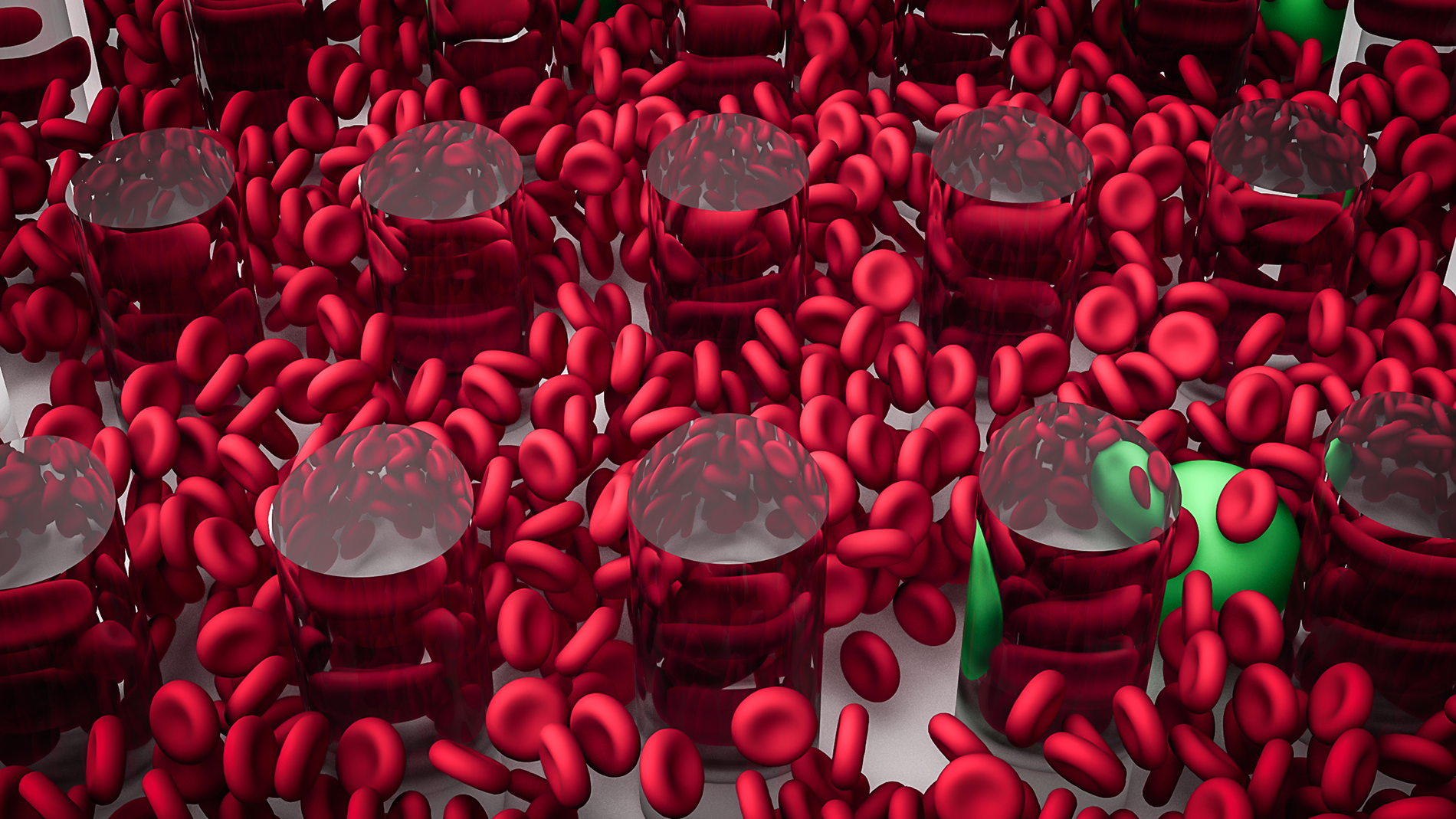
Microfluidics is a rapidly developing field that involves the manipulation of small volumes of fluids at the microscale. As with any technology, microfluidics has its advantages and disadvantages, which are outlined below.
Pros
- Precision: One of the biggest advantages of microfluidics is its ability to handle small volumes of fluid with high precision, allowing for accurate and reproducible experiments.
- Low cost: Microfluidics can significantly reduce the cost of manufacturing by minimizing waste and allowing for the use of smaller quantities of expensive reagents.
- High throughput: Microfluidic devices can be used for high-throughput experimentation, allowing researchers to process large numbers of samples quickly and efficiently.
- Integration: Microfluidics can be easily integrated with other technologies, such as optics and sensors, to enable real-time monitoring of experiments.
- Versatility: Microfluidic devices can be constructed using a wide range of materials and can be customized to suit different applications.
Cons
- Complexity: Microfluidic devices can be complex to design and fabricate, requiring specialized knowledge and equipment.
- Scale-up: While microfluidic devices are effective for small-scale experiments, scaling up to larger production volumes can be challenging.
- Interfacial effects: Fluid behavior at the microscale can be influenced by interfacial effects, such as surface tension and wetting, which can be difficult to control.
- Clogging: Microchannels in microfluidic devices can easily become clogged by particulate matter, which can affect the accuracy of experiments.
- Limited viscosity range: Microfluidics is most effective for fluids with low to moderate viscosity, and working with highly viscous fluids can be challenging.
In conclusion, microfluidics is a powerful tool with numerous advantages, but also some limitations. As with any technology, the benefits and drawbacks must be considered when determining the best approach for a particular application.
Back to news